
Non-Residential Construction
Year:
2025
Koning Willem 1 College:
2nd Year
Project:
7
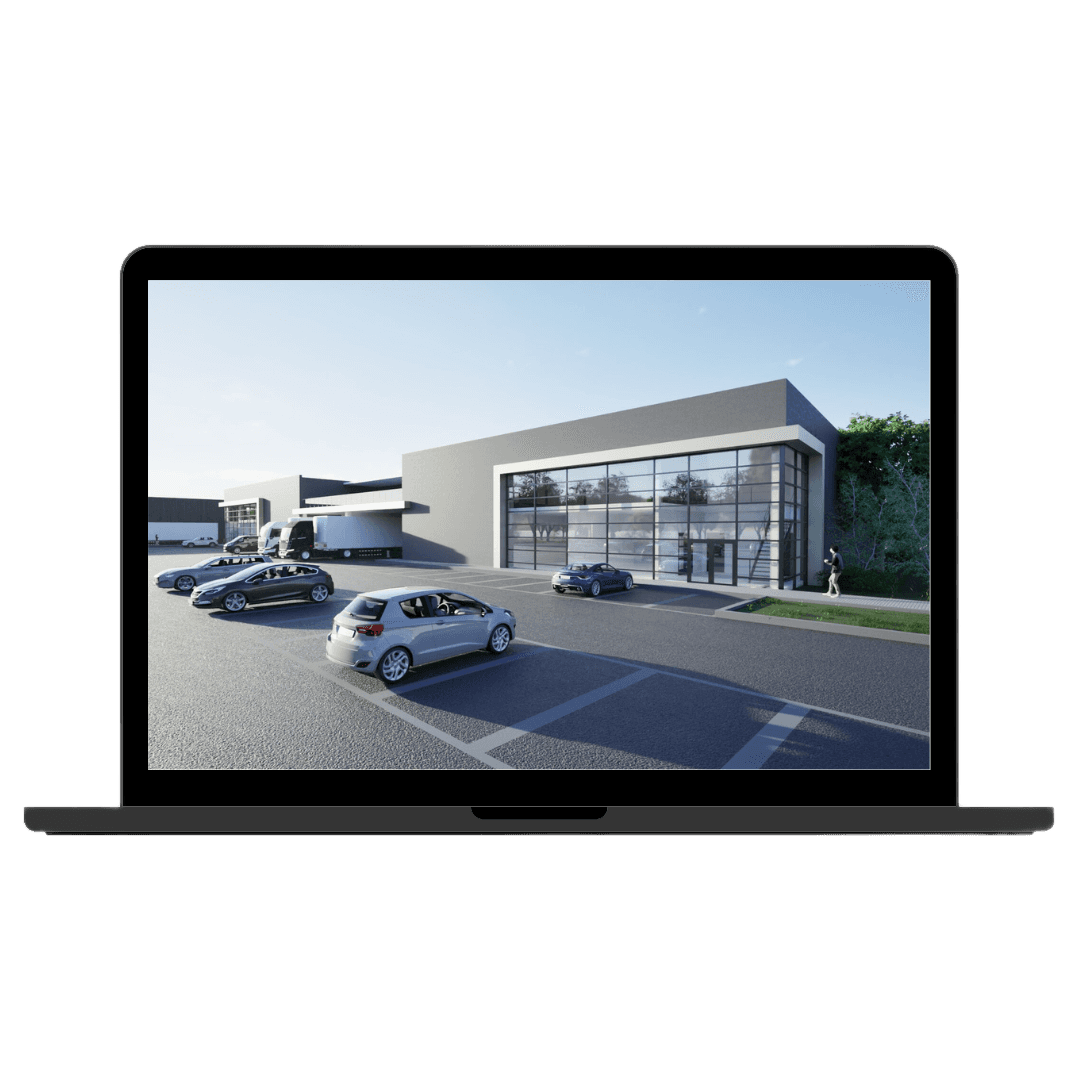
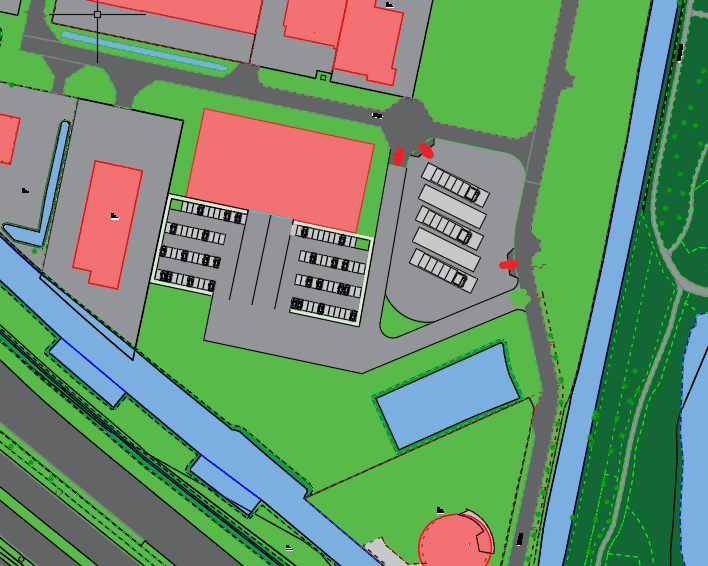
This non‑residential construction project combined both collaborative and individual work. Together with my teammate, I worked through the full concept development, structural research, and technical detailing. Throughout the process we created structural calculations, a cardboard scale model, and detailed technical drawings made by hand, in AutoCAD, and in Revit. This combination of tasks strengthened my understanding of both the technical and visual aspects of non‑residential construction.
PROJECT OBJECTIVE
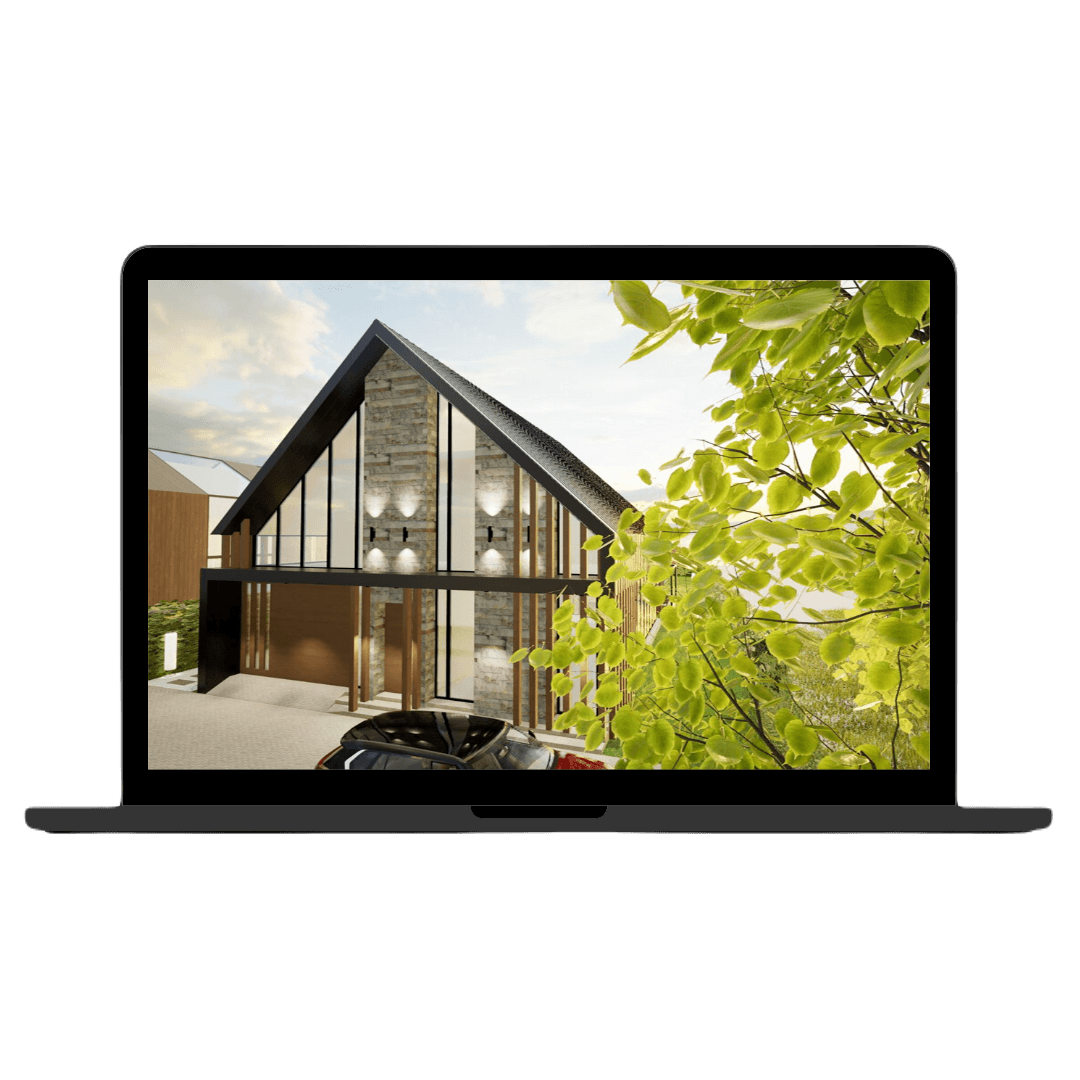
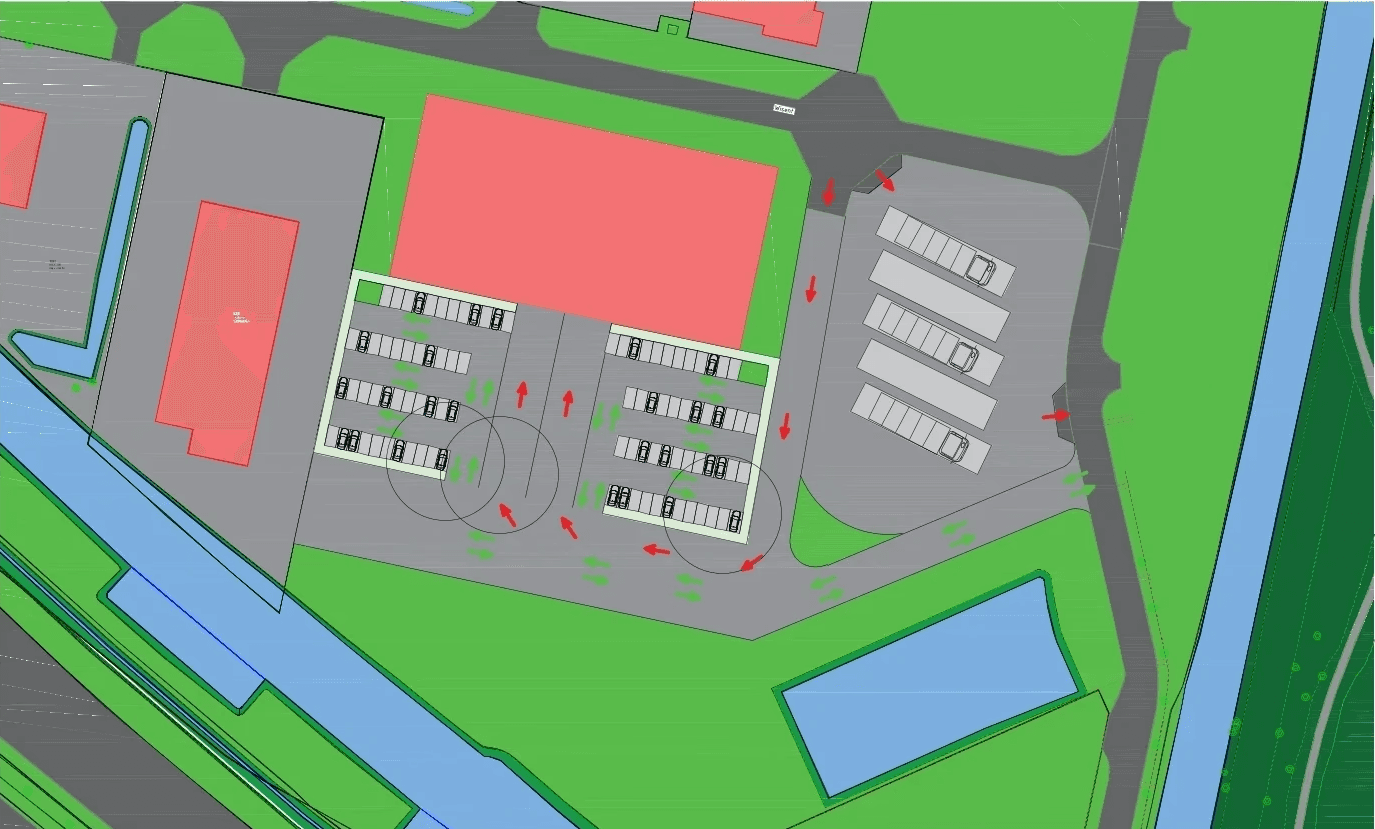
The goal was to understand structural principles, develop detailed construction drawings including connection details, and create a realistic 3D model for clear visualization.
APPROACH & PROCESS
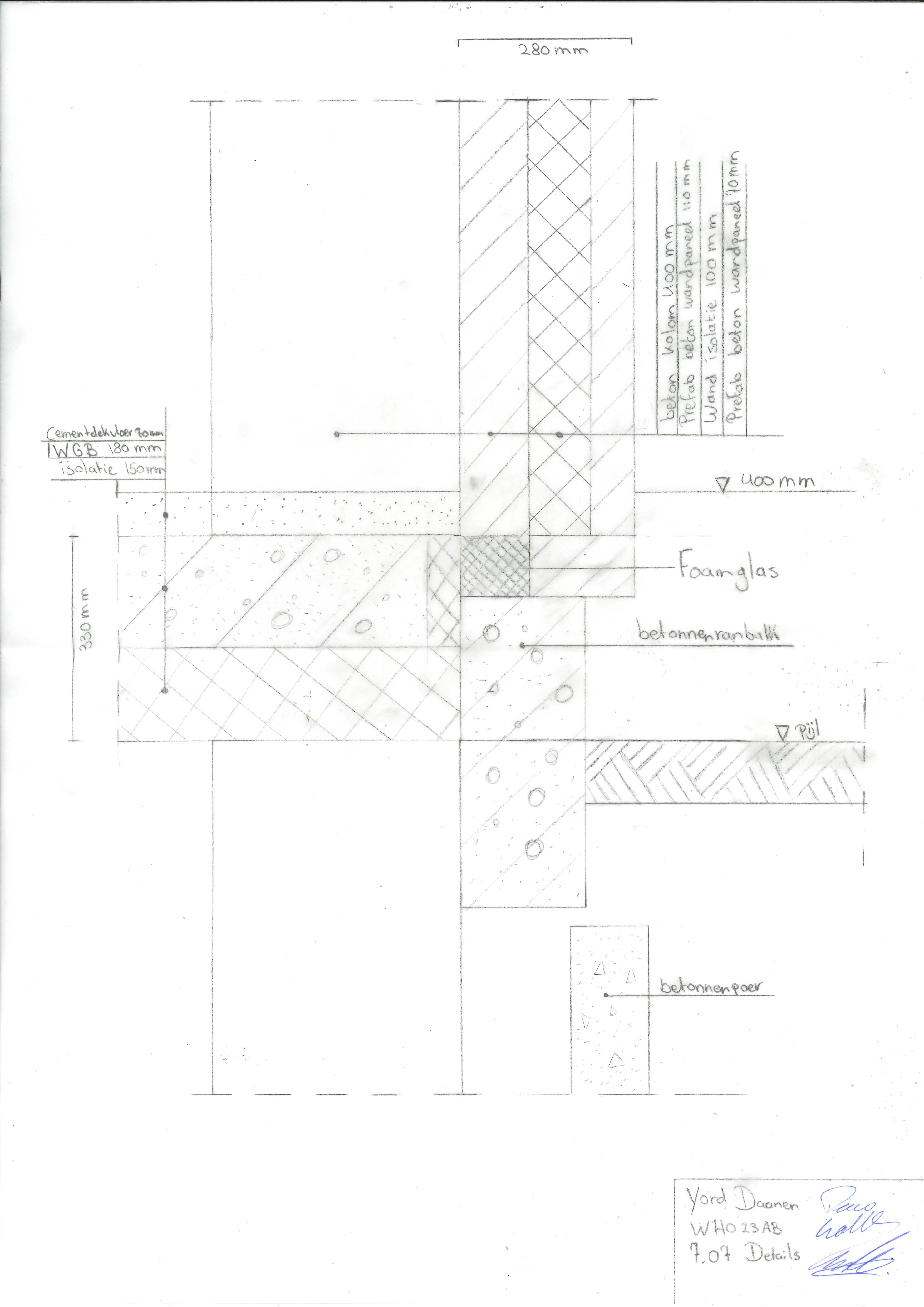
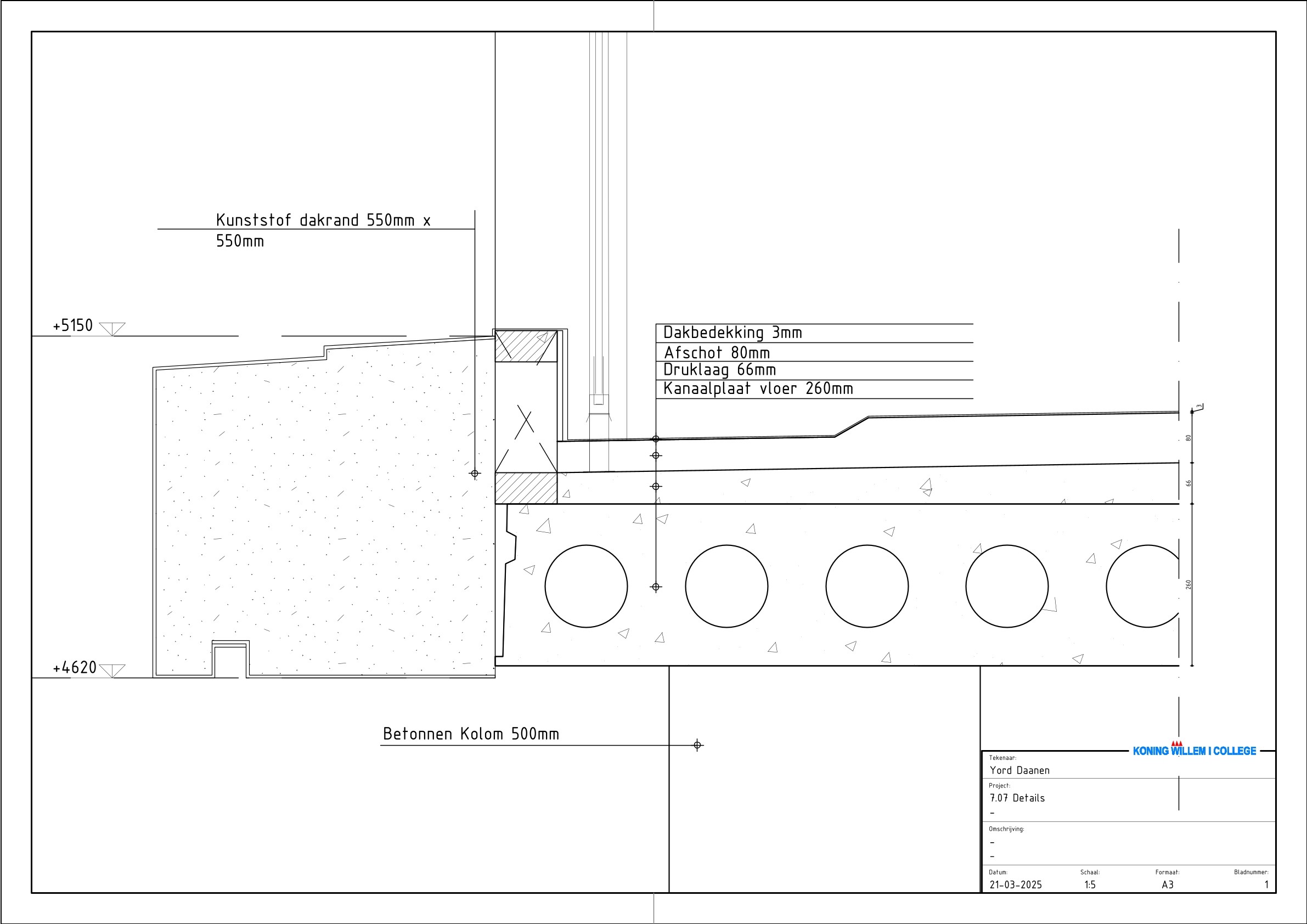
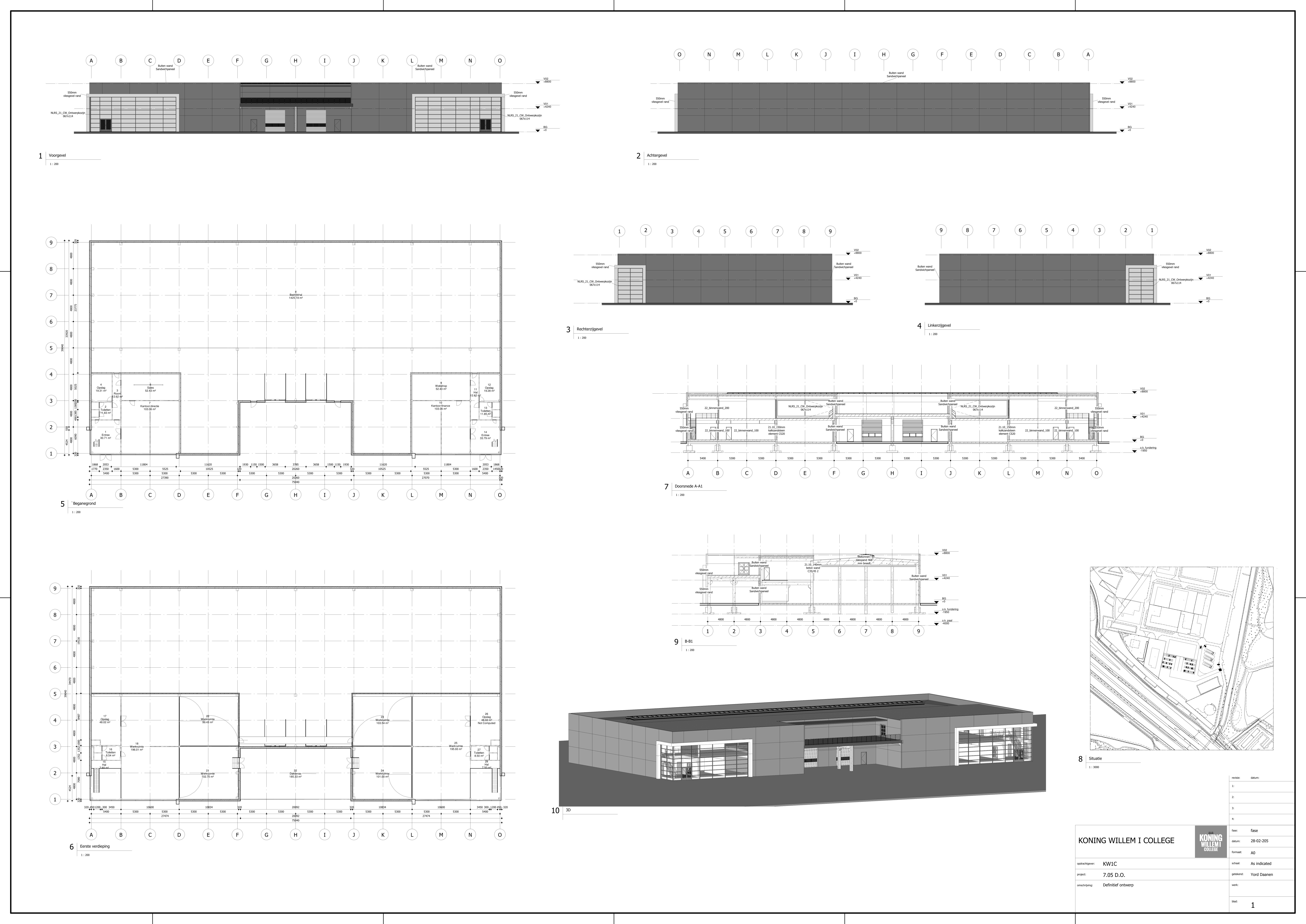
In this project, I developed detailed structural drawings in Revit, focusing on the overall structural layout of the building. I hand-sketched and refined connection (joint) details, which I then finalized in AutoCAD. Combining digital modeling, manual sketching, and CAD detailing allowed me to deepen my understanding of both the structural design and the technical execution of key building components.
CHALLENGES
A key challenge I faced was moving forward without getting stuck too long on problems I couldn’t immediately solve. At times, I found myself spending too much time trying to figure things out, which slowed my progress. Learning to recognize when to take a step back and revisit issues later was essential to maintaining momentum and completing the project efficiently.
OUTCOME
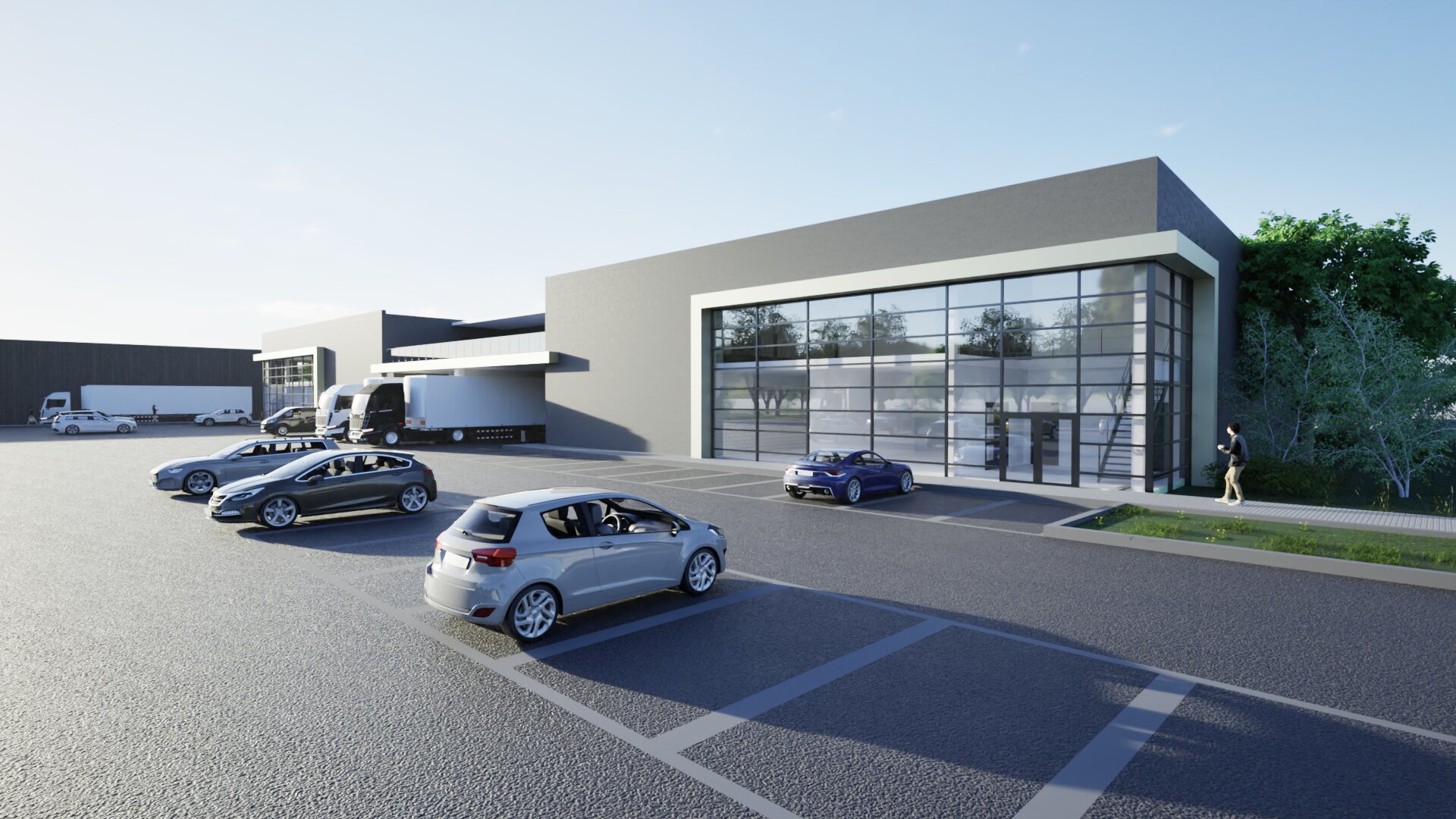
The final result was a complete set of structural drawings, connection details, and a fully modeled building in Revit. Working extensively in Revit strengthened my BIM skills, especially in structuring the model and accurately representing components. This project improved my technical skills, increased my accuracy in detailing, and gave me more confidence in working with digital design tools.
REFLECTION
This project taught me the importance of working efficiently and knowing when to step back from problems I couldn’t solve right away. I also learned how valuable it is to combine different methods—manual sketching, CAD detailing, and BIM modeling—to get a complete understanding of a design. Improving my Revit and detailing skills has given me more confidence in tackling future construction projects, and I feel better prepared to work in a professional environment.
GALLERY